
Last updated on July 14, 2026
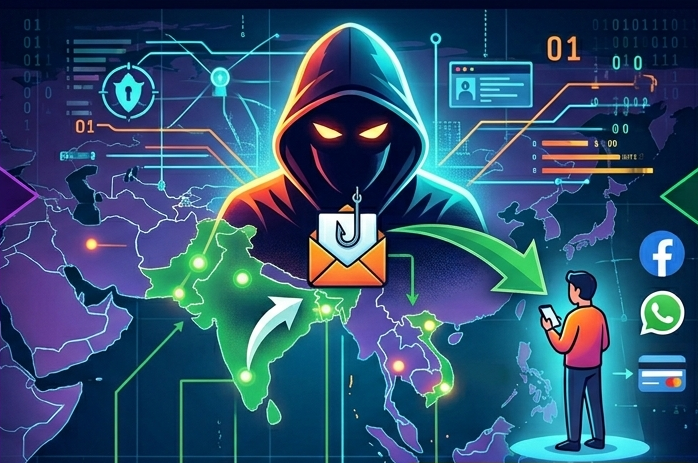
SideWinder is a sneaky cyber spy group, quietly working across South and Southeast Asia, creeping into government offices, telecoms, energy companies, and research centers.
Even if you’re not on their radar, your personal information may still be targeted through broader phishing or cybercrime activities. While SideWinder mainly focuses on organizations, individuals can be affected indirectly. This means your WhatsApp, email, social media, and banking apps could be exposed if you fall victim to phishing or similar attacks.
How SideWinder Works
SideWinder’s attacks are careful and long-term. They move like shadows, spying, stealing secrets, and hiding in the background for months. Here’s what they do:
- Spear-phishing emails – Messages that look official, from ministries or service providers, designed to trick people into clicking links or attachments.
- Exploiting software bugs – They often use older weaknesses in programs that haven’t been updated.
- Credential stealing – They collect usernames, passwords, and access tokens to take control of accounts.
- Hidden operations – They constantly change servers and domains to avoid being caught.
Why This Matters to You
Even if SideWinder doesn’t target you directly, some risks may still arise indirectly:
- Your personal data could be exposed through phishing or related attacks – Passwords, bank details, personal messages.
- Your accounts may be compromised if credentials are leaked – WhatsApp, email, Facebook, or banking apps.
- Scams are getting smarter – Criminals are now using professional spying techniques.
- Special days are dangerous – Festivals or awareness events give scammers chances to trick people.
🔐 How to Stay Safe
- Don’t click on links or attachments from unknown messages.
- Check carefully who sent the message.
- Use strong passwords and turn on two-factor authentication.
- Never share personal info online.
- Be extra alert during holidays or special events.
⚠️ What to Do If You Are Targeted
- Stop and think, don’t panic.
- Block the sender.
- Keep messages or screenshots as proof.
- Report suspicious activity to your bank or local authorities.